Material
Common Mistakes When Installing Shelter Canvas That Most Malaysians Overlook
May 15 2026
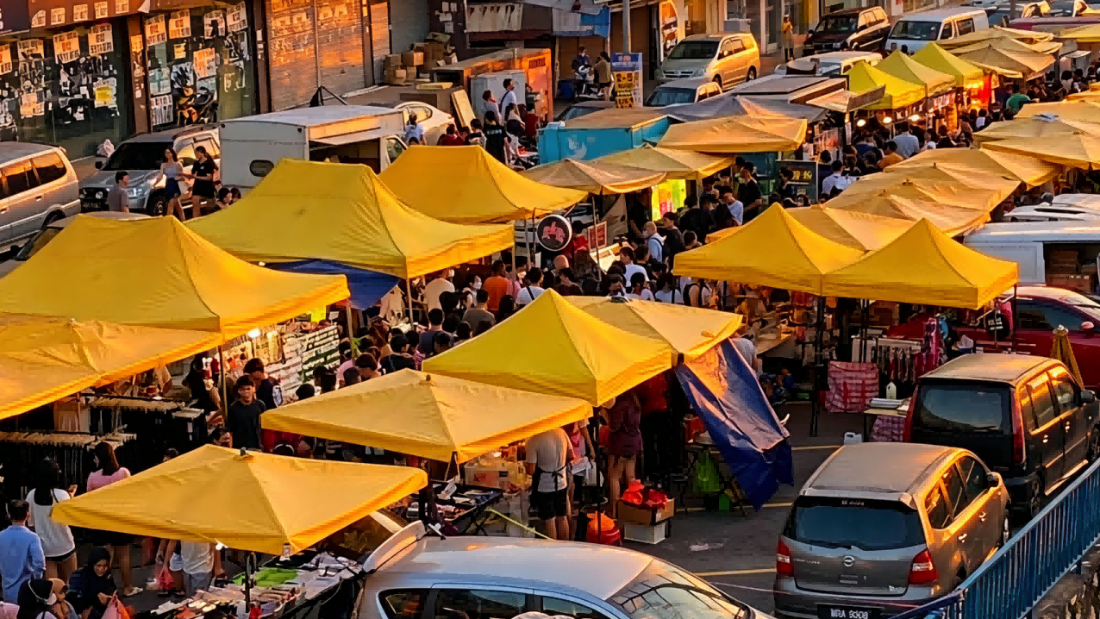
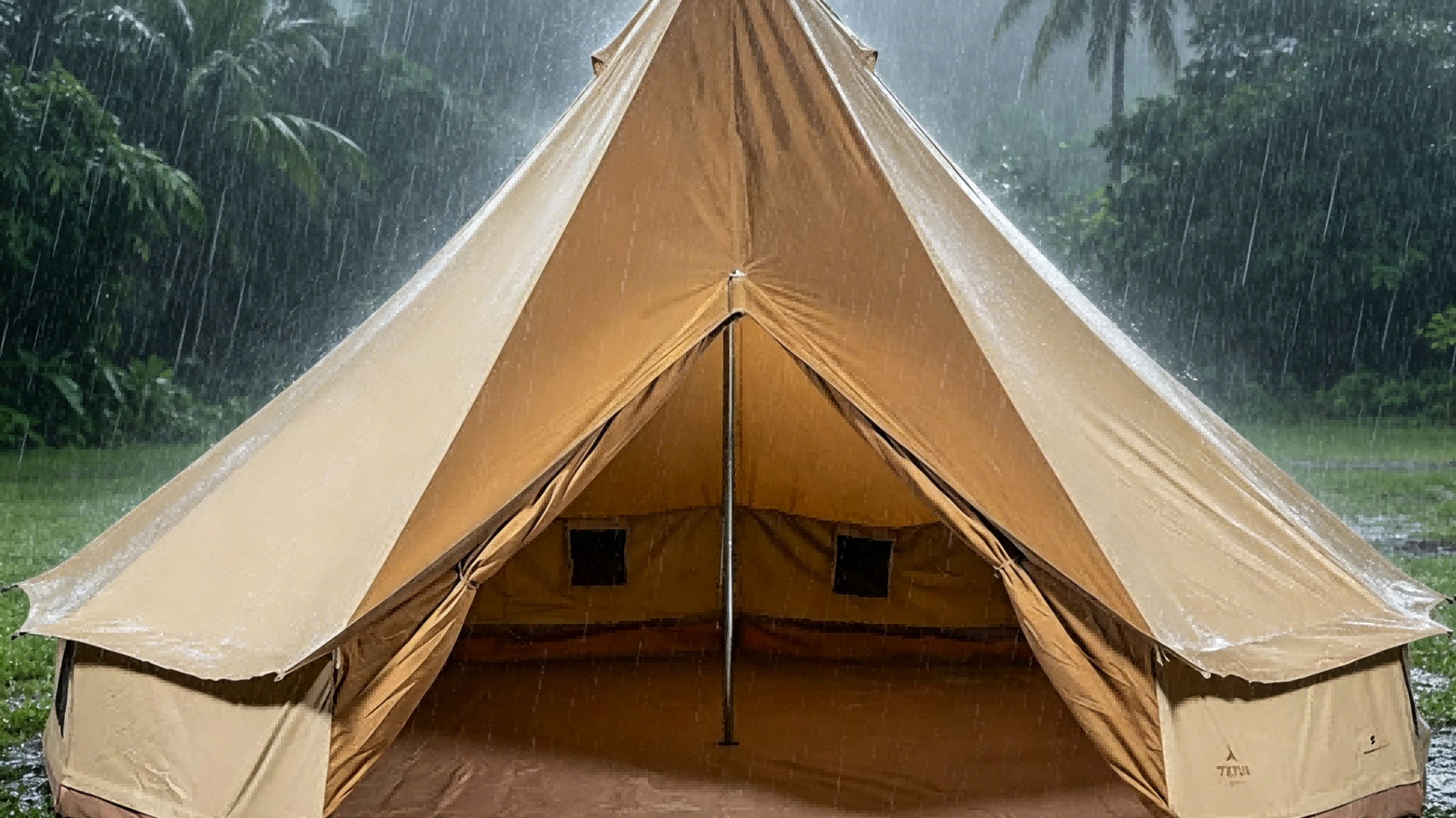
Malaysia's climate is no joke. Between the heavy monsoon rains that sweep across the peninsula from November to March, the relentless afternoon heat pushing past 33°C, and the sudden tropical downpours that can catch anyone off guard, a shelter canvas is not just a convenience — it is practically a necessity for homes, commercial spaces, outdoor stalls, and event setups alike.
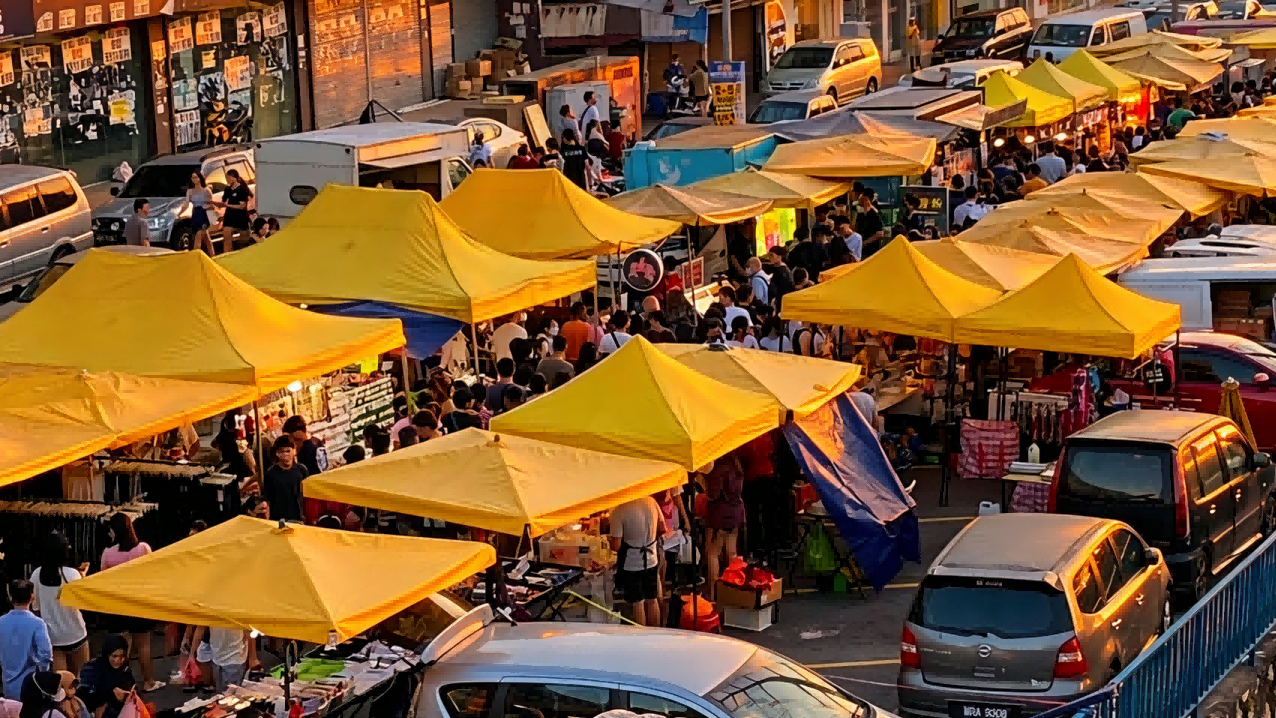
Whether you are covering a car porch, extending a café's outdoor seating, protecting a pasar malam stall, or shielding a warehouse loading bay, the shelter canvas you install is doing serious heavy lifting. But here is the thing: a lot of people get it wrong. Not because they are careless, but because nobody told them what to watch out for.
This article walks through the most common mistakes when installing shelter canvas in Malaysia, why they happen, and how you can avoid them for a setup that actually lasts.
Whether you are covering a car porch, extending a café's outdoor seating, protecting a pasar malam stall, or shielding a warehouse loading bay, the shelter canvas you install is doing serious heavy lifting. But here is the thing: a lot of people get it wrong. Not because they are careless, but because nobody told them what to watch out for.
This article walks through the most common mistakes when installing shelter canvas in Malaysia, why they happen, and how you can avoid them for a setup that actually lasts.
Mistake 1: Choosing the Wrong Canvas Material for Malaysia's Weather
One of the biggest shelter canvas installation mistakes people make is picking a canvas based purely on price or looks without thinking about what the material can actually handle. Malaysia sits close to the equator, which means extreme UV exposure year-round and heavy rainfall that does not give much warning before it arrives.
Many budget canvas options are not rated for high UV environments. Over time, constant sun exposure breaks down the fabric, causing it to fade, crack, and lose its waterproofing capability faster than expected. By the time you realise the canvas is failing, water is already dripping through.
The right approach is to look specifically for canvas materials labelled as UV-resistant and waterproof with a hydrostatic head rating of at least 1500mm — ideally higher for areas exposed to direct downpour. PVC-coated polyester and solution-dyed acrylic are two materials that perform reliably in the Malaysian climate. They handle heat retention differently, so for areas where you need shade and breathability, acrylic tends to win. For hard rain protection, PVC-coated fabrics are generally more effective.
Always ask your supplier for the material specifications before purchasing. A slightly higher upfront cost on better canvas will almost always save you money over two or three years compared to replacing a cheap one every twelve months.
Mistake 2: Ignoring Proper Frame and Anchor Point Preparation
The canvas itself gets most of the attention, but experienced installers in Malaysia will tell you the frame and anchor points are where installations most commonly fail. This is one of the shelter canvas installation mistakes that tends to show up only during the first heavy storm — which, in Malaysia, could be within the first two weeks of installation.
Many DIY installers attach canvas to walls, posts, or beams that were never properly assessed for load-bearing capacity. When strong winds accompany a downpour — which happens frequently, especially in coastal states like Penang, Sabah, and Terengganu — the canvas acts like a sail. The force it exerts on its mounting points is significantly higher than most people expect.
Before installing, inspect every anchor point for structural integrity. Concrete walls need proper anchor bolts, not just screws into plaster. Timber frames need to be treated against rot, as Malaysian humidity will eat through untreated wood surprisingly quickly. Steel frames should be galvanised or powder-coated to resist rust in the humid environment.
Also consider the spacing of your support structure. Wider spans between supports mean more canvas sag, especially after rain pools on the surface. In Malaysia, a maximum span of 1.2 to 1.5 metres between supports is a general guideline for most residential and light commercial applications, though this varies depending on the canvas weight and intended use.
Mistake 3: Getting the Tension and Pitch Wrong
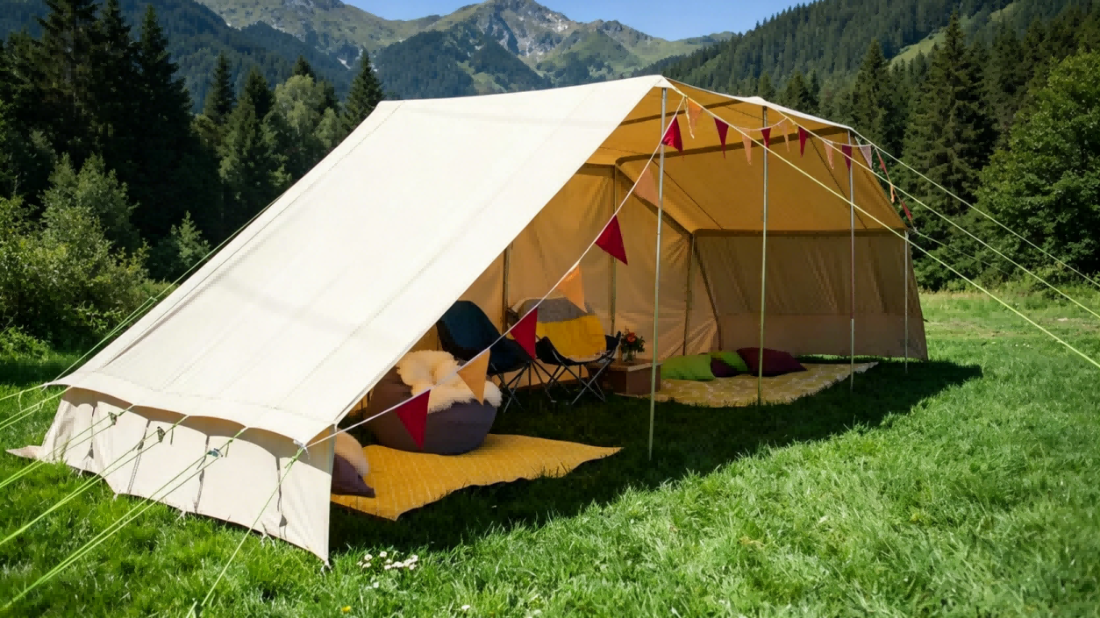
Improper tension is one of the most common and most overlooked shelter canvas installation mistakes. A canvas that is either too loose or unevenly tensioned will not shed water properly — it will pool on the surface, add unnecessary weight and stress to the frame, and eventually stretch or tear.
In Malaysia, where a single afternoon rainstorm can dump 30 to 50mm of rain within an hour, water pooling on a poorly pitched canvas can add hundreds of kilograms of load very quickly. That is not an exaggeration — a five-square-metre canvas with a 50mm pool of standing water is holding over 250 kilograms of water.
The fix is a combination of correct pitch and proper tension during installation. A minimum pitch of around 5 to 10 degrees is generally recommended for water runoff, though steeper is always better in high-rainfall environments. When tensioning the canvas, work from the centre outward and ensure all attachment points carry equal tension. Uneven tension creates stress concentrations that lead to premature failure at grommets and seams.
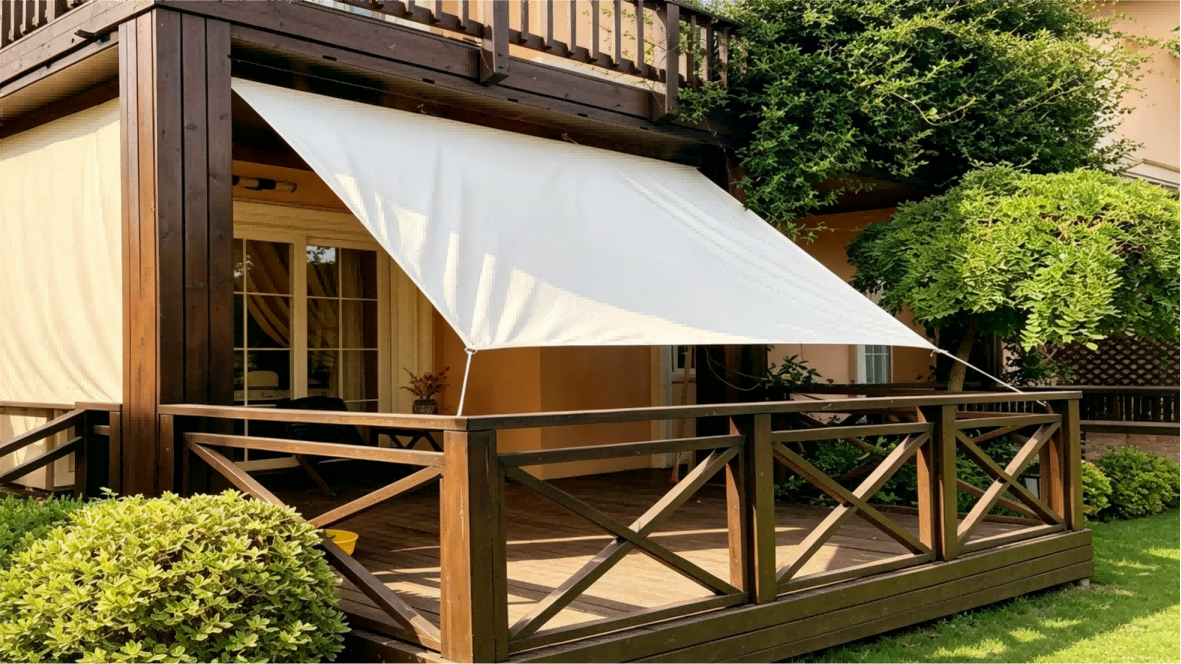
If you are working with a retractable awning system, check the spring tension mechanism carefully. Many retractable shelter canvas systems sold in Malaysia are designed for milder climates and may need to be adjusted or upgraded to handle local wind and rain conditions.
Mistake 4: Underestimating the Importance of Correct Grommet Spacing
Grommets are the metal-ringed holes through which ropes, bungee cords, or hooks attach the canvas to its frame. Getting grommet placement and spacing wrong is a less obvious but genuinely significant shelter canvas installation mistake that causes canvas tearing and shortens the lifespan of even high-quality material.
When grommets are spaced too far apart — a common issue with mass-produced canvas sold in Malaysia's hardware stores — the load from wind and rain is concentrated on fewer attachment points. Over time, this causes the canvas to tear outward from each grommet, particularly at corners, which experience the highest stress concentration.
Standard practice recommends grommet spacing of no more than 50 centimetres on exposed edges and closer together at corners and curves. If you are purchasing pre-made canvas and the grommet spacing does not match your requirements, have a canvas supplier or fabricator add additional grommets before installation rather than trying to work around the problem.
Also pay attention to the quality of the grommets themselves. Cheap zinc grommets will rust within a matter of months in Malaysia's humidity. Brass or stainless steel grommets last significantly longer and are worth the small additional cost.
Mistake 5: Skipping Waterproofing Treatment After Installation
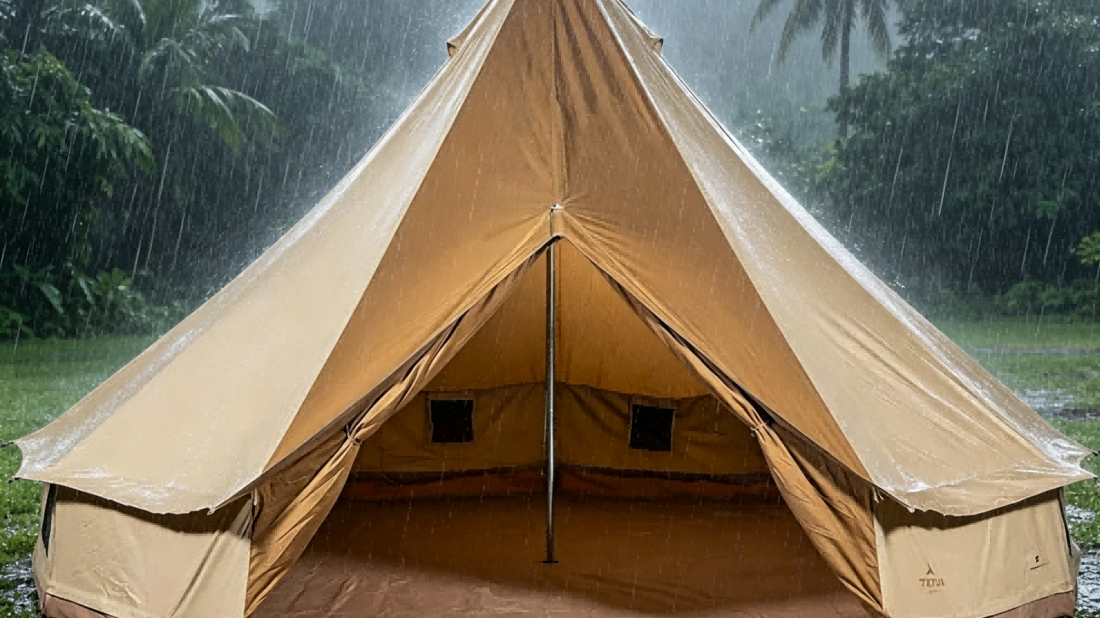
Many people assume that because their canvas is sold as waterproof, it will stay waterproof indefinitely without any maintenance. This is one of the shelter canvas installation mistakes that quietly leads to disappointment a year or two down the line.
Most waterproof canvas products rely on a surface coating or treatment that can degrade over time, particularly under consistent UV exposure and the physical stress of rain, wind, and the occasional power wash. In Malaysia's climate, this degradation happens faster than in more temperate regions.
After installation, especially on exposed canvases, it is good practice to apply a water-repellent spray treatment every six to twelve months. Products based on silicone or fluoropolymer chemistry work well for most canvas types. Before reapplying, clean the canvas surface to remove mould and mildew — a very common issue in humid Malaysian climates — using a diluted bleach solution or a canvas-specific cleaner.
Mould is not just unsightly. Left untreated, it compromises the structural integrity of the canvas fibres and accelerates degradation. Regular cleaning and re-treatment add years to the functional lifespan of any shelter canvas installation.
Mistake 6: Not Accounting for Wind Direction and Surrounding Structures
This is a mistake that does not show up on any installation checklist but is something experienced contractors in Malaysia always consider. The way wind moves around and through your property significantly affects how your shelter canvas will perform.
Installing a large canvas on the side of a building that channels wind — common in high-rise areas of Kuala Lumpur, Johor Bahru, and Penang city — without accounting for wind acceleration through narrow gaps can result in a canvas that is under far more force than expected. This is especially true during periods of gusty weather accompanying storms.
Before installing, observe the wind patterns at the specific location across a few different days and weather conditions. Identify which direction the prevailing wind and storm-driven wind tends to come from. Position your shelter canvas and its supporting structure to either minimise its exposure to that direction or ensure the structure is reinforced accordingly.
In particularly exposed locations, consider windbreak mesh panels on the sides of the sheltered area rather than extending the solid canvas further. Mesh allows wind to pass through while still reducing rain splash and providing partial shade, reducing the overall wind load on the structure significantly.
Mistake 7: Leaving the Canvas Fully Extended During Extreme Weather
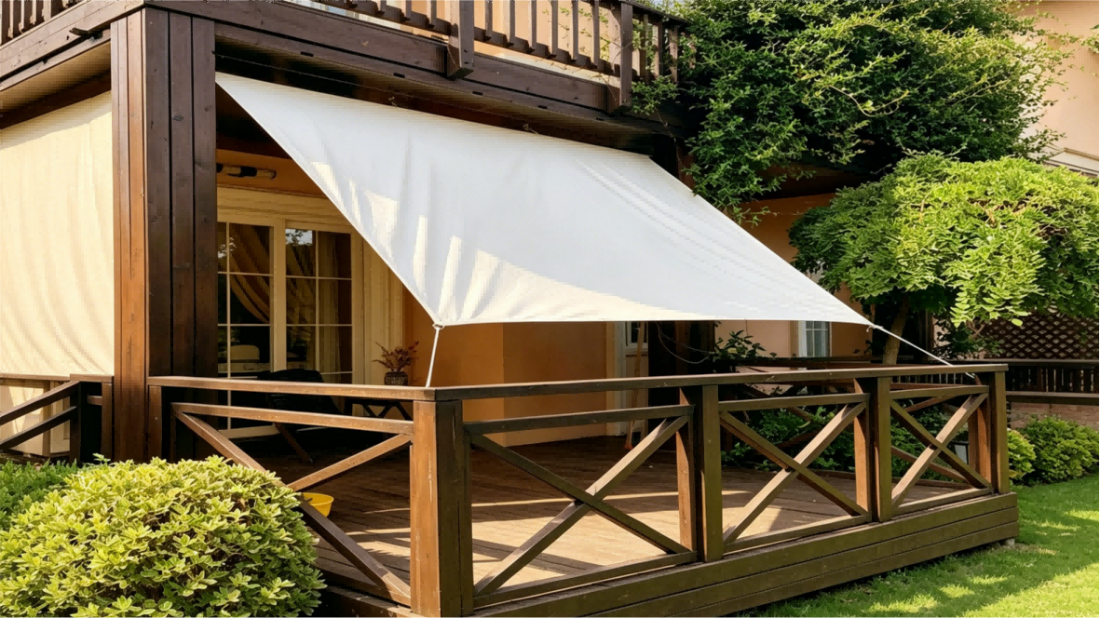
For retractable awnings and adjustable shelter canvas systems, one of the most avoidable shelter canvas installation mistakes is simply leaving the canvas fully extended when a serious storm is approaching. In Malaysia, Tropical storms and squalls can arrive with relatively short notice, and an extended canvas under strong wind is at serious risk of structural damage.
Most retractable awning manufacturers specify maximum wind speeds for safe operation — commonly around 36 to 50 kilometres per hour for residential-grade products. Malaysian storms can easily exceed this, particularly during the monsoon season or during afternoon thunderstorms that develop rapidly over inland areas.
Get into the habit of retracting or securing your canvas when the sky darkens and winds pick up. If you are not always on-site — for commercial properties, warehouses, or rental units — consider installing a wind sensor that automatically triggers retraction in motorised awning systems. These sensors are widely available in Malaysia and are a worthwhile investment for any installation where manual supervision during storms is not practical.
Final Thoughts on Avoiding Shelter Canvas Installation Mistakes
A shelter canvas is a long-term investment, and the mistakes covered here are all avoidable with the right preparation and the right materials. Malaysia's climate is demanding, but it is also predictable — you know the sun will be intense, you know the rain will be heavy, and you know the humidity will be constant. Building your installation decisions around those realities from the start puts you in a much stronger position than trying to fix problems after they appear.
Take the time to choose quality materials rated for tropical conditions, prepare your structure and anchor points properly, get the tension and pitch right from the start, and commit to basic maintenance once or twice a year. Do that, and your shelter canvas will serve you reliably through many Malaysian monsoon seasons to come.